
When Aging Becomes the Reason for Anxiety
Getting older is something we all expect. In fact, many of us look forward to it, as this means more time with family and the chance to slow down after years of work.
But some people actually can't bear to think of getting older. Maybe it's the fear of the health challenges. It could also be concerns about finances, the thought of losing independence, or anything.
Whatever the reason, aging anxiety is a thing. Experts call it gerascophobia. The good news is that gerascophobia is totally manageable.
In this article, we'll look at what aging anxiety really is. We'll also discuss common signs as well as how you can manage them.
What Is Aging Anxiety?
Aging anxiety is a persistent, often irrational fear some older people experience. This goes beyond worrying about adding one more year, a bad back, or forgetting where you put your keys. It's a deep dread of the aging process itself.
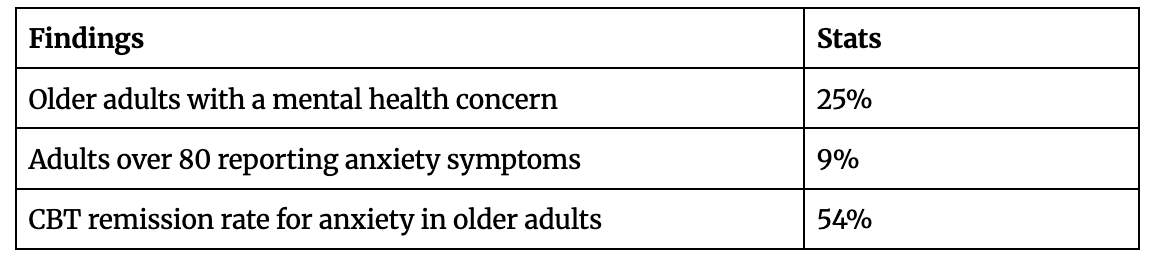
According to the American Psychological Association, 25% of seniors experience mental health challenges. Anxiety is one of them.
Unfortunately, aging anxiety does more harm than good. In fact, a 2026 study published in Science Direct revealed that it can cause faster epigenetic aging (wear and tear) in adults, especially women. The opposite is also true.
As Becca R. Levy, PhD, professor of epidemiology at the Yale School of Public Health, explains:
“When people internalize more negative age stereotypes, it’s associated with worse health outcomes. Embracing more positive beliefs about aging is linked to benefits.”
In plain English? How we feel about getting old matters.
Signs That Aging Has Become the Reason for Anxiety
How do you know if you've crossed the line from normal worry into a real problem that's age-related? Look for these red flags.
Persistent Worry. You're obsessively worried about your health or the future.
Physical Symptoms. Your heart races when you think about getting older.
Withdrawal. You start declining socialization because you feel "too old" or "too tired."
Hyperfixation. You are either constantly at the doctor's or totally stay away because you're scared of what they'll find.
Sleep Problems. You’re exhausted, but your brain won't let up about the coming doctor's appointments.
Anxiety can affect anyone. But studies show that it becomes less common as we get older. In fact, a 2026 meta-analysis found that only 9% of people over the age of 80 report symptoms. But this seemingly small number? It actually represents millions of older adults worldwide.
Practical Ways to Manage Anxiety About Aging
Aging is the reason for many people's anxiety, but as we said, it's totally manageable. Let’s now look at real strategies that can help.
Explore Technologies
Technology can be really effective for people with anxiety issues. Fortunately, helpful assistive technology for aging adults has come a long way and offers more solutions than ever before.
Some of the more popular examples in real life include medication reminders, fall-detection devices, and telehealth platforms for easy access to healthcare from home.
There are also brain-training games, fitness trackers, and social interaction tools.
These tools aren't meant to replace human connection. They’re designed to make life easier and reduce the stress many older adults face.
Stay Physically Active
It's not enough to use tech to stay connected and social. You also need to physically move and stay active. That doesn't mean hitting the treadmill every day. No. Just moving about as often as you can helps.
A 2025 study even suggested that faster gait speed, which is tech speak for just walking faster, and higher expiratory pressure can protect against anxiety.
So, a simple daily walk? That's therapy. You can also add yoga and a bit of stretching.
Build and Maintain Social Connections
Isolation is the enemy of age. When you keep yourself away from others, you have a lot more time to worry.
This can seriously hurt both your physical and mental health.
And guess what? The thing you're mostly worried about, which is growing older, happens faster with you than with your peers. The solution? Stay socially active. Not just with technology, but physically. Join a book club. Routinely visit the senior center. Go on dates.
Seek Professional Support
If aging anxiety has reached the point where it affects your quality of life, then it's time to seek professional help.
A professional will look at your personal situation and come up with a treatment plan just for you. In many cases, CBT (Cognitive Behavioral Therapy) is the preferred treatment. Research shows that it has a remission rate of around 54% for anxiety in older adults.
You may also have to take some medications, either alone or with CBT. But don't wait too long, though. Getting support early leads to better outcomes.
FAQs
What is aging anxiety?
Aging anxiety, or gerascophobia as experts call it, is a persistent, excessive fear of the aging process. For most people, it shows up as fear of losing independence, concern about the health issues that come with age, and cognitive decline. It's more than a normal worry.
Is it normal for aging to result in anxiety?
Yes, it's totally normal to have concerns as you get older. Hitting 60 years or older means that you’re entering into a new and unknown phase of your life, so it's normal to be worried. But when that worry is abnormal, if it's constant, overwhelming, and stops you from enjoying life.
When should you seek professional help for aging anxiety?
You should definitely seek professional help if the anxiety has become overwhelming. Overwhelming means that you're now always so anxious that you have trouble sleeping, working, or enjoying your regular routine.
Key Statistics on Aging Anxiety
Conclusion
As you can see, aging anxiety is more common. Thankfully, it's also very manageable. We've discussed some practical strategies for that in this guide. Hopefully, it helps.
That said, it's important to emphasize that professional help is extremely important. If you or someone you know is struggling with severe anxiety, get in touch with a healthcare professional immediately.