
Ways to Protect Your Mental Wellness During Stressful Life Changes
Life has a way of changing without asking for permission. One day, everything feels stable and familiar. The next day, you may find yourself dealing with a breakup, job loss, financial pressure, family responsibilities, or unexpected uncertainty.
Stressful life changes can trigger anxiety, emotional exhaustion, overthinking, mood swings, and feelings of isolation. Many people try to ignore these emotional struggles while focusing only on solving external problems. But mental wellness cannot thrive when it is constantly neglected.
Protecting your mental wellness during difficult transitions is about creating healthy emotional habits that help you stay grounded and emotionally aware while dealing with uncertainty. Think of mental wellness like an internal support system.
Caring for your emotional health during difficult seasons isn’t a luxury or a sign of weakness. It’s an essential part of adapting, recovering, and continuing in a healthier direction.
In this article, you’ll find practical strategies to help safeguard your mental wellness while you go through stressful life changes.
Creating Stability Through Daily Routines
Daily routines create structure, and structure gives the brain a sense of safety and control. During stressful life changes, uncertainty can make even simple decisions feel exhausting. In these moments, consistent habits act like emotional anchors.
Morning Habits That Improve Mental Clarity
The way you begin your morning can strongly influence your mood, focus, and stress levels throughout the rest of the day. Creating intentional morning habits can improve mental clarity, emotional balance, and overall resilience.
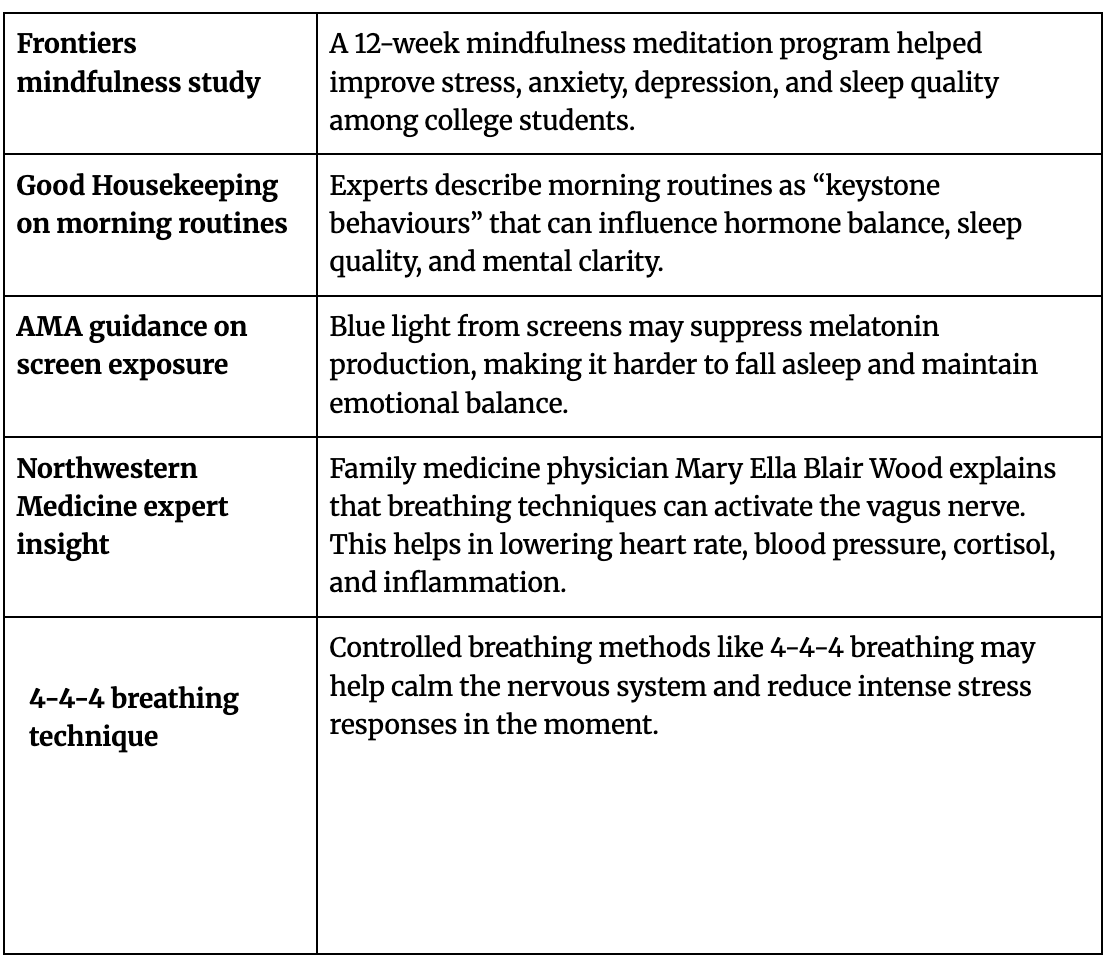
Mental clarity is more than puzzles and supplements, as stated by Good Housekeeping. Daily practices that support your body and mind are the first step. Morning routines are "keystone behaviors" that affect hormone balance and the quality of sleep.
One of the simplest yet most effective habits is waking up at a consistent time each day. Regular sleep and wake schedules help regulate the body’s internal clock, which plays a major role in mood regulation and cognitive performance. Drinking water shortly after waking up is another small habit that can make a noticeable difference.
Night Rituals for Emotional Recovery
Many people underestimate how strongly nighttime habits affect emotional wellness, sleep quality, and long-term stress resilience. Creating calming evening rituals can help signal to the body that it is safe to slow down and recover.
Simple activities such as reading, listening to soft music, and gentle stretching can help release physical and emotional tension built up during the day. Reducing screen time before bed is especially important.
According to the AMA, screens emit blue light that can suppress natural melatonin production. That is why it is harder to fall asleep, and it also reduces overall sleep quality. Overstimulating or anxiety-provoking content can further disrupt emotional balance and contribute to stress, anxiety, and low mood.
Building a Strong Emotional Support System
An emotional support system does not need to include a large group of people. Quality matters more than quantity. Trusted friends, family members, mentors, partners, support groups, or community members can all provide valuable emotional connections.
The Importance of Honest Conversations
Talking honestly about emotions helps release internal pressure. Stressful thoughts tend to grow heavier when they remain trapped inside the mind. Sharing worries, fears, frustrations, or sadness with someone trustworthy can provide emotional relief and clarity.
It is important to choose emotionally safe people for these conversations. Trusted friends, supportive family members, mentors, or support groups are often healthier spaces for open discussions. Setting emotional boundaries is equally important. Honest communication should feel supportive, not emotionally draining or judgmental.
Knowing When to Ask for Help
Reaching out to a professional isn’t a sign of weakness. It is a proactive and healthy step toward protecting mental wellness. Just as people visit doctors for physical health concerns, mental health professionals provide guidance and treatment for emotional struggles.
Among the experts who are crucial in promoting mental wellness are psychiatric mental health nurse practitioners (PMHNPs). PMHNPs are advanced practice registered nurses (APRNs) who offer services to patients with mental health issues, according to Walsh University. These professionals undergo specialized education to provide advanced mental health care.
Many pursue degrees through a psych NP school online, which facilitates flexibility while completing rigorous clinical and academic preparation. Their training equips them to assess mental health conditions, provide therapy, and provide support to patients.
Another important mental health professional is a licensed clinical psychologist. Psychologists specialize in understanding human behavior, emotions, thought patterns, and coping mechanisms. They often help individuals experiencing anxiety, depression, trauma, grief, relationship difficulties, or severe stress caused by major life changes.
Mindfulness Techniques That Actually Work
At its heart, mindfulness is the practice of intentionally noticing what’s happening within and around you. Even brief moments of awareness during the day can help people feel steadier and more grounded through stressful life changes.
Research shows that mindfulness can have a meaningful impact on emotional well-being. One study published in Frontiers examined a 12-week mindfulness meditation program that included weekly 60-minute sessions led by a trained instructor. The study involved college students who were already dealing with high stress levels. After the program, researchers found significant improvements in several aspects of their mental health.
Breathing Techniques for Intense Stress Moments
Breathing is something people do automatically every day, yet during stressful moments, it often changes without notice. Controlled breathing exercises help reverse this stress response by sending calming signals back to the brain and body.
“Many breathwork techniques activate the vagus nerve, which is your body’s main parasympathetic pathway,” says Mary Ella Blair Wood, a family medicine physician at Northwestern Medicine. “This nerve sends signals to the body to slow the heart rate and lower blood pressure. Studies show that a long-term breathing practice reduces cortisol and inflammation.”
One commonly recommended method is the 4-4-4 breathing technique. This involves inhaling slowly through the nose for four seconds, holding the breath for four seconds, and exhaling gently for four seconds.
Another effective approach is diaphragmatic breathing, where individuals breathe deeply into the stomach instead of taking shallow chest breaths. This encourages fuller oxygen exchange and helps release physical tension stored in the body.
Journaling
Journaling is another powerful mindfulness practice that can support emotional wellness during stressful life changes. When the mind feels overwhelmed, thoughts often become repetitive, scattered, and difficult to process.
Writing those thoughts down creates structure and allows people to better understand what they are truly experiencing. In many ways, journaling acts as an emotional mirror. This helps individuals slow down and reflect more clearly on their feelings.
One of the most helpful aspects of journaling is its flexibility. It does not require perfect grammar, lengthy entries, or complicated techniques. Some people choose to write about their worries, while others focus on gratitude, emotional triggers, personal goals, or everyday experiences.
FAQs
What exercises reduce stress?
A range of physical activities can lower stress, boost your mood, and ease physical tension. Common choices include walking, jogging, cycling, swimming, yoga, tai chi, dancing, gardening, and strength training. Choosing an enjoyable activity makes it easier to stay consistent and gain long-term mental health benefits.
How does nutrition affect stress?
Nutrition plays a major role in how the body responds to stress. Diets high in processed foods and sugar may increase inflammation and stress hormones. Meanwhile, nutrient-rich foods help regulate cortisol, support brain function, and protect the body from stress-related physical and emotional effects.
How can self-reflection reduce stress?
Self-reflection helps reduce stress by allowing individuals to process emotions, recognize progress, and gain perspective on challenges. It improves self-awareness and emotional regulation while encouraging gratitude and resilience. Taking time to reflect can also help identify healthier coping strategies and promote a calmer mindset.
Key Mental Wellness Insights
Life changes can be overwhelming. But protecting your mental wellness is what helps you move through transitions with more stability. When everything feels uncertain, sticking to daily routines, having honest emotional support, and implementing simple mindfulness practices can keep you grounded.
Breathing exercises and journaling also help you pause, process what you’re feeling, and reduce stress in the moment. If coping feels too heavy, seeking professional help is a proactive step, not a weakness. Your mind deserves care while life shifts.