
Simple Habits That Protect Your Family's Mental Health

We all want the best for our families, but keeping everyone happy and healthy can feel like a juggling act these days. Between school stress, work deadlines, and the non-stop buzz of screens, our minds are carrying a lot of weight.
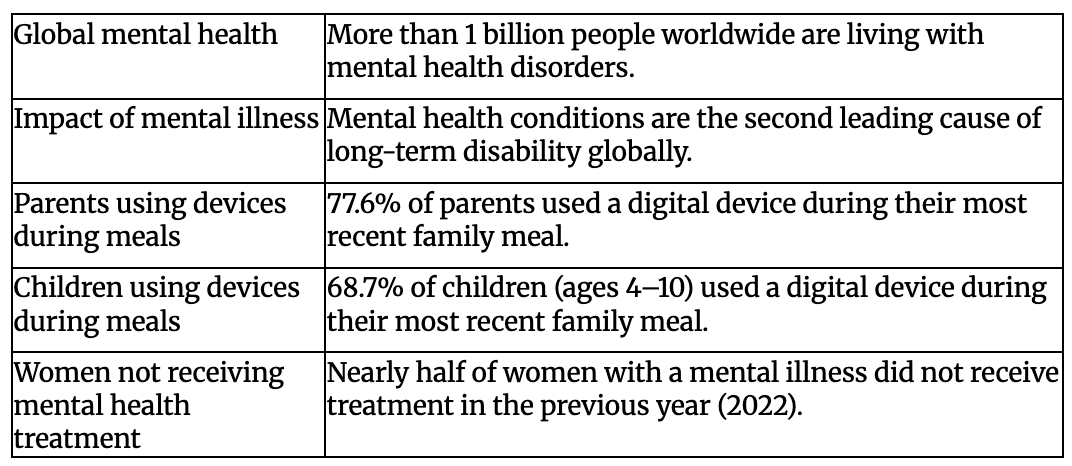
The truth is, mental health struggles are much closer to home than most of us realize. New data from the World Health Organization (WHO) shows that over 1 billion people worldwide are currently living with a mental health disorder. Struggles like anxiety and depression are widespread in every community, touching people of all ages and income levels.
In fact, these struggles represent the second biggest reason for long-term disability, contributing to a massive loss of healthy, happy lives globally.
But here is the good news: protecting your family’s well-being doesn't require a total lifestyle overhaul. It actually comes down to the small, everyday choices we make together. By building a few simple habits into your daily routine, you can create a supportive home base that helps everyone navigate life's ups and downs with resilience.
Make Mealtimes a Daily Check-In
Sharing a meal without screens may seem like a small habit, but it can make a big difference to your family's mental well-being. Unfortunately, it's becoming less common.
A recent U.S. survey of households with children ages 4–10 found that 77.6% of parents and 68.7% of children used a digital device during their most recent meal. When screens take over the table, children miss valuable attention and emotional connection.
Melissa Legere, LMFT, Clinical Director and Co-Founder of California Behavioral Health, says family meals don't have to be elaborate or picture-perfect. What matters most is creating a calm, welcoming space where everyone feels heard.
She recommends putting away digital distractions and using mealtime to listen rather than lecture. If you're feeling overwhelmed or family tensions are running high, it's okay to postpone the conversation until everyone is in a better frame of mind. Over time, these simple, consistent moments of connection can help build trust and emotional resilience.
Treat Physical and Mental Health as One Conversation
Although physical and mental health are deeply connected, we often treat them as entirely separate issues. A child's recurring stomachaches may be linked to anxiety, while poor sleep, chronic illness, or hormonal changes can affect mood and emotional well-being.
Looking at physical and mental health together helps families identify the root cause of problems instead of only treating the symptoms. This growing focus on whole-person care is also shaping healthcare education. For example, dual FNP/PMHNP programs prepare nurse practitioners to earn certifications as both Family Nurse Practitioners (FNPs) and Psychiatric-Mental Health Nurse Practitioners (PMHNPs).
According to Rockhurst University, these programs combine two nursing specialties into one degree to prepare graduates to care for patients of all ages. For families, this integrated approach can mean better care coordination and access to providers who understand how physical and emotional health influence one another.
Build in Tech-Free Wind-Down Time
Screens are a part of everyday life, but using them right before bed can make it harder for both children and adults to relax and sleep well. Creating a tech-free wind-down routine 30 to 60 minutes before bedtime gives the brain a chance to slow down and prepare for restful sleep.
Instead of scrolling through phones or watching TV, encourage quiet activities like reading, listening to calming music, or talking about the day. The goal isn't to ban screens altogether but to build a predictable bedtime routine that supports emotional well-being.
Parents can encourage healthy habits by practicing them themselves, as children tend to learn by example. Over time, this simple routine can improve sleep quality, reduce bedtime struggles, and help everyone wake up feeling calmer and more refreshed. Better sleep also supports emotional regulation, making it easier for the whole family to manage everyday stress.
Normalize Talking About Feelings
Talking openly about emotions helps children understand that feelings are normal and safe to express. Instead of brushing emotions aside, try naming them in everyday conversations. Say things like, "I feel disappointed today," or "You seem frustrated. Want to talk about it?"
This builds emotional awareness and makes it easier for family members to speak up when they're struggling. According to Psychology Today, healthy emotional expression starts with communicating feelings calmly and clearly. Some helpful tips include:
Pause and identify what you're feeling before responding.
Avoid starting conversations when you're angry.
Begin with phrases like "I feel…" instead of assigning blame.
Explain the concern behind your emotions.
If someone's actions affected you, use "When you…" followed by how you felt.
Know When to Seek Professional Support
Home habits matter, but they are not a substitute for professional care. A key protective habit is staying alert to warning signs, such as persistent sadness, withdrawal, or noticeable behavioral changes, and seeking support instead of waiting for them to pass. Normalize therapy the same way you would a doctor's visit for a persistent cough.
Unfortunately, barriers to care remain. According to Statista, despite declining stigma and improved access, many Americans who need mental health treatment still do not receive it. As of 2022, it was estimated that nearly half of women with a mental illness had not received treatment in the previous year.
A leading reason people don't receive mental health care is that they believe they can manage their symptoms on their own. Others don't know where to seek help or cannot afford the cost of treatment. Viewing professional support as routine care rather than a last resort can help families identify concerns earlier and improve long-term outcomes.
FAQs
What are the signs that a family member may be struggling with their mental health?
Some of the most common warning signs include persistent sadness, changes in sleep or appetite, difficulty concentrating, increased irritability, and a decline in school or work performance. While occasional mood changes are normal, symptoms that last for several weeks or begin affecting daily life should not be ignored.
How can parents support their child's mental health at home?
Parents can create consistent daily routines, share screen-free meals, encourage open conversations about feelings, and model healthy ways of coping with stress. Just as importantly, children should know they can talk about their emotions without fear of being judged or dismissed.
Why is it important to treat physical and mental health together?
Physical and mental health are closely connected. Poor sleep, chronic illnesses, hormonal changes, and nutrition can all affect emotional well-being, while stress and anxiety may contribute to physical symptoms such as headaches or stomachaches. Considering both together helps healthcare providers identify underlying causes and create more comprehensive treatment plans.
Family Mental Health Statistics
Protecting your family's mental health is about making small, meaningful habits part of everyday life. From shared meals to open conversations and screen-free evenings, these simple habits can strengthen your family's emotional well-being over time.
They also help build trust, encourage honest communication, and make it easier to recognize when someone may need extra support. You don't have to change everything at once. Start with one positive habit, stay consistent, and gradually create a home where every family member feels supported and comfortable asking for help.