
Self-Care Tips for New Moms Going Through Baby Blues

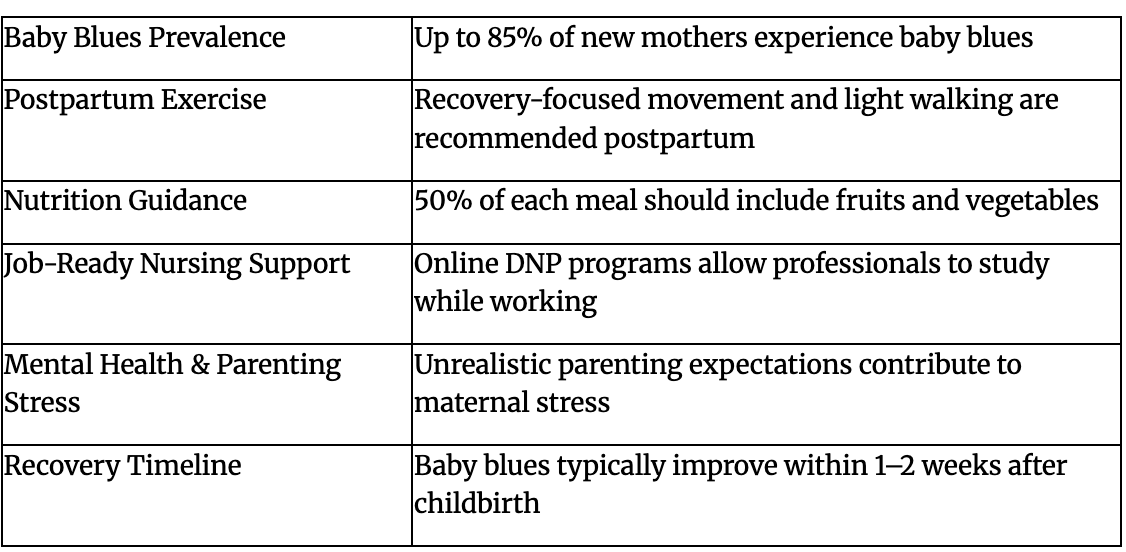
Becoming a new mom is a life-altering experience packed with joy, amazement, and big emotional changes. According to the American Psychiatric Association, up to 85% of new moms find themselves dealing with the baby blues. This emotional condition can lead to symptoms such as crying for no reason, feeling irritable, restless, and anxious. It is essential to be aware that this can pose risks for both the mother and her child.
Your body is in recovery mode, your hormones are fluctuating, and your daily life has turned upside down. It can feel overwhelming, and it’s completely normal for your emotions to mirror that. Taking small steps to nurture yourself can impact how you feel each day. You deserve all the patience, rest, and support as you navigate this new chapter in your life.
This article explores essential self-care tips for new moms navigating the challenges of baby blues.
Nourish and Hydrate
When going through the baby blues, taking care of your body is the most supportive thing you can do. WebMD notes that at each meal, try to make half your plate a vibrant assortment of fruits and vegetables. The other half should comprise whole grains such as brown rice, whole-grain bread, or oatmeal. It is also best to limit the packaged and processed foods that tend to be high in salt, saturated fat, and added sugars.
You might feel too exhausted or overwhelmed to think about what to eat. But regularly nourishing yourself can help stabilize your mood and energy levels. Having easy snacks such as nuts or yogurt nearby can make it simpler to eat, even in the middle of your busiest days.
Hydration is key, especially if you are nursing. Keeping a water bottle nearby and taking small sips throughout the day can make a difference. This simple act can boost your energy and help you feel less worn out. Consider these small habits as simple ways to show yourself some care.
Seek Help
If feelings of sadness, anxiety, or overwhelm persist during the baby blues, new moms need to seek help early rather than trying to manage everything alone. Talking to a partner, trusted family member, or friend can provide emotional relief and reassurance during a challenging time.
Professional support from a doctor, therapist, or counselor can also help identify something more serious, like postpartum depression. A doctor or therapist may not always be accessible, but nurses can step in.
Many nurses seek higher qualifications, such as the Doctor of Nurse Practitioner (DNP), particularly in the field of mental health. With the availability of accredited online DNP programs, it is much easier for professionals to pursue their goals.
According to Baylor University, these programs are perfect for career advancement because nurses can pursue them alongside their job. The best part is that patients receive the care they truly need, right when they need it. Getting early support can help mothers feel more balanced, confident, and supported as they step into their new role.
Move Gently
Dr. Gregory Minnis, DPT, writing for Medical News Today, emphasizes that postpartum exercise should be gradual and recovery-focused rather than intensity-driven. Moreover, physical activity after childbirth should prioritize rebuilding core stability, pelvic floor function, and overall strength while supporting mental health.
He also notes that progression should always be individualized based on recovery and medical guidance. There’s no need to commit to a tough workout. Even small steps can enhance circulation, relieve tension, and elevate your mood. Plus, breathing in some fresh air can help you feel refreshed and more connected to the world around you.
There will be days when you are bursting with energy, and other days when you need to take it easy. The focus isn’t on being perfect but rather on being consistently gentle with yourself. When you give yourself the freedom to move in a way that feels good, you create room for both physical healing and emotional peace
Lower Your Expectations
The Bump notes that the impact of modern parenting on mental health is significant. The alarming levels of stress mothers experience are often due to the pressure to meet unrealistic expectations. Moms can lower their expectations and get real about what they can achieve, but that doesn’t mean they have to let go of their dreams.
You might feel the weight of needing to keep everything in order, but early motherhood is more about adjusting than it is about being perfect. Try to focus on what truly matters, like caring for your little one and taking care of yourself. Allowing yourself some grace can help ease that unnecessary stress.
Rather than burdening yourself with endless to-do lists, appreciate the simple victories, like sharing a quiet moment with your little one. Letting go of the need to do everything perfectly opens up room for patience and self-kindness. This shift in mindset can help you feel more balanced and less overwhelmed.
FAQs
What is the hardest time for new moms?
The first few weeks after giving birth can be tough for new moms. You are not just healing physically. You are also grappling with sleep deprivation and trying to understand your baby's needs all at the same time. On top of that, hormonal shifts can impact your mood, making everything feel even more overwhelming as you both work to find your groove together.
When do postpartum blues get better?
The postpartum blues often begin a few days after you’ve had your baby and generally improve within one to two weeks. As your hormones start to balance out and you adapt to your little one’s routine, your emotions usually become more manageable. If, however, the feelings persist or worsen after two weeks, consult with a healthcare provider.
What are the signs that you need help with PPD?
If you feel sad, anxious, or empty for more than two weeks after giving birth, it might be time to seek help for postpartum depression. Other signs to watch for include losing interest in things you used to enjoy, having difficulty bonding with your baby, experiencing changes in your sleep or appetite, or even having thoughts of self-harm. You must reach out to a healthcare professional for support as soon as possible.
Key Takeaways
Navigating through the baby blues can be tough, but you are not alone in this journey. This phase is just a moment in time and will eventually fade as you and your body adapt to the new routines.
Be kind to yourself and have faith that even the smallest steps toward self-care can make a big difference. Give yourself the time you deserve to heal. With patience and understanding, you will start to feel more like yourself again, embracing your new role with confidence and care.