
Why Parents Need to Understand Children’s Digital Spaces Better

Children today spend a significant portion of their lives in digital spaces. Many regularly use social media, gaming platforms, streaming services, and online communities for entertainment and communication.
The American Academy of Child and Adolescent Psychiatry states that children between the ages of 8 and 18 spend an average of 7.5 hours daily using screens. They also spend this time engaging with digital media.
While technology can support learning and social interaction, excessive digital exposure may increase the risk of harmful content, unhealthy online behavior, and emotional stress. As online environments continue shaping children’s daily experiences, parental awareness has become more important than ever.
Digital Spaces Shape Social and Emotional Development
Children often build friendships, express emotions, and develop communication skills through online interactions and digital platforms. Positive experiences can improve confidence and creativity, while negative ones may affect emotional well-being and self-esteem. Parents who understand these spaces can better guide healthy online behavior and emotional balance.
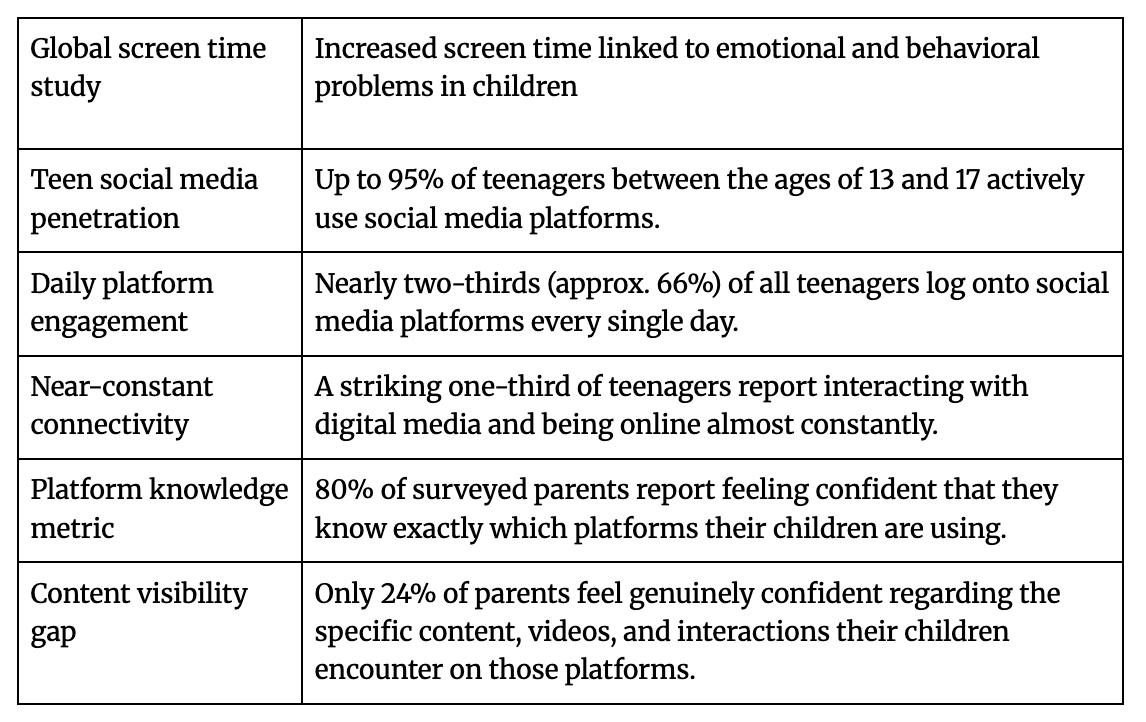
The American Psychological Association linked increased screen time to emotional and behavioral problems in children. Researchers also noted that many youth turn to digital spaces for relief. Teens frequently use these platforms to cope with stress, anxiety, and emotional challenges.
Many Platforms Still Present Serious Safety Concerns
Digital platforms offer children many learning opportunities. They also create serious safety concerns for young users. Many apps still allow unmoderated communication between strangers online. Children may encounter explicit content, scams, or online predators unexpectedly.
Critics say some companies value growth over child safety protections. Many platforms still face ongoing moderation and security concerns. These issues continue to increase the need for stronger safeguards, improved parental awareness, and more responsible digital platform management.
The consequences of these systemic vulnerabilities are now playing out through massive litigation. At the center of this controversy is the Roblox lawsuit, driven by federal and state actions. These legal filings allege that unsafe design and inadequate safeguards allowed predators to groom and exploit children.
TorHoerman Law states that many families pursue legal action to demand stronger protections and improved safety standards for children online. The firm notes parents may seek compensation for exploitation or abuse. It also mentions harmful content exposure involving children on Roblox.
Excessive Screen Exposure Can Affect Mental Wellness
Spending excessive time on screens can negatively affect children’s emotional health, sleep quality, and daily focus. Constant digital stimulation may increase feelings of stress, anxiety, or social isolation over time. Parents who monitor screen habits and encourage balanced activities can better support children’s mental wellness and healthy development.
Health and Human Services reported that up to 95% of teenagers aged 13-17 use social media platforms regularly. Nearly two-thirds use social media daily. One-third report being online almost constantly. Excessive screen exposure at these levels may contribute to stress, anxiety, sleep disruption, and reduced emotional well-being among young users.
Open Conversations Build Healthier Online Habits
Regular conversations about online experiences help children develop safer and healthier digital habits over time. Parents who listen calmly and without judgment often develop stronger trust, honesty, and communication with their children over time. Open discussions also encourage children to report uncomfortable situations, harmful content, or suspicious interactions more confidently.
UNICEF reports that online sexual abuse and bullying lead to significantly higher levels of anxiety, self-harm, and suicidal behaviors. Exposure to harmful content also negatively impacts mental health, though these associations are slightly weaker. Open conversations are vital because they allow parents to detect these symptoms early and provide essential support.
Digital Literacy Is Becoming a Parenting Essential
Understanding digital platforms, privacy settings, and online trends has become an important part of modern parenting responsibilities. Parents with stronger digital literacy can better recognize online risks, harmful content, and unsafe interactions affecting children. Staying informed also helps families create safer, healthier, and more responsible online experiences together.
According to a Gov.UK report, 80% of parents feel confident knowing which platforms their children use online. However, only 24% feel very confident about the content children actually view on those platforms. Researchers say this gap highlights why digital literacy is becoming an essential parenting skill for online safety awareness.
Healthy Digital Boundaries Support Long-Term Well-Being
Modern parenting increasingly requires strong digital literacy skills to help children safely navigate online environments. Parents who understand social media platforms, gaming systems, privacy settings, and online trends can better recognize potential risks and harmful content.
Digital literacy also helps families discuss misinformation, cyberbullying, online scams, and responsible internet behavior more effectively. Children are more likely to develop healthy digital habits when parents stay informed about the technologies they regularly use.
Learning about digital spaces does not require parents to master every platform, but it does require awareness and active involvement.
Frequently Asked Questions
How can parents identify unsafe online behavior early?
Parents can identify unsafe online behavior through mood changes, secrecy, and unusual digital activity patterns in children. Children may also avoid discussing certain apps, games, or online friends. Open communication and regular discussions about digital experiences help parents recognize warning signs earlier and respond appropriately.
How can parents balance privacy with online supervision?
Parents can balance privacy and online supervision by setting clear digital boundaries and explaining safety concerns openly. Respectful conversations help children understand why monitoring is sometimes necessary. Parental controls, screen limits, and open communication encourage safer online habits without causing constant fear or conflict.
Why are multiplayer gaming platforms popular among children?
Multiplayer gaming platforms attract children because they combine entertainment, creativity, and social interaction in one environment. Many games allow players to communicate, collaborate, and compete with friends in real time. These platforms offer rewards, customization, and interactive experiences that keep children highly engaged online daily.
Parenting Awareness and Digital Youth Statistics
Building Safer and Healthier Digital Experiences
Understanding children’s digital spaces has become an essential part of modern parenting and child development. Online platforms can influence emotional well-being, social behavior, learning habits, and overall mental health in many ways. Parents who stay informed about digital trends, online risks, and communication tools are better prepared to guide safe internet use.
Open conversations, balanced supervision, and stronger digital literacy can help children build healthier online habits and safer experiences. Active parental involvement ultimately creates greater trust, awareness, and protection in an increasingly digital world.