
Actionable Strategies to Heal From Emotional Burnout
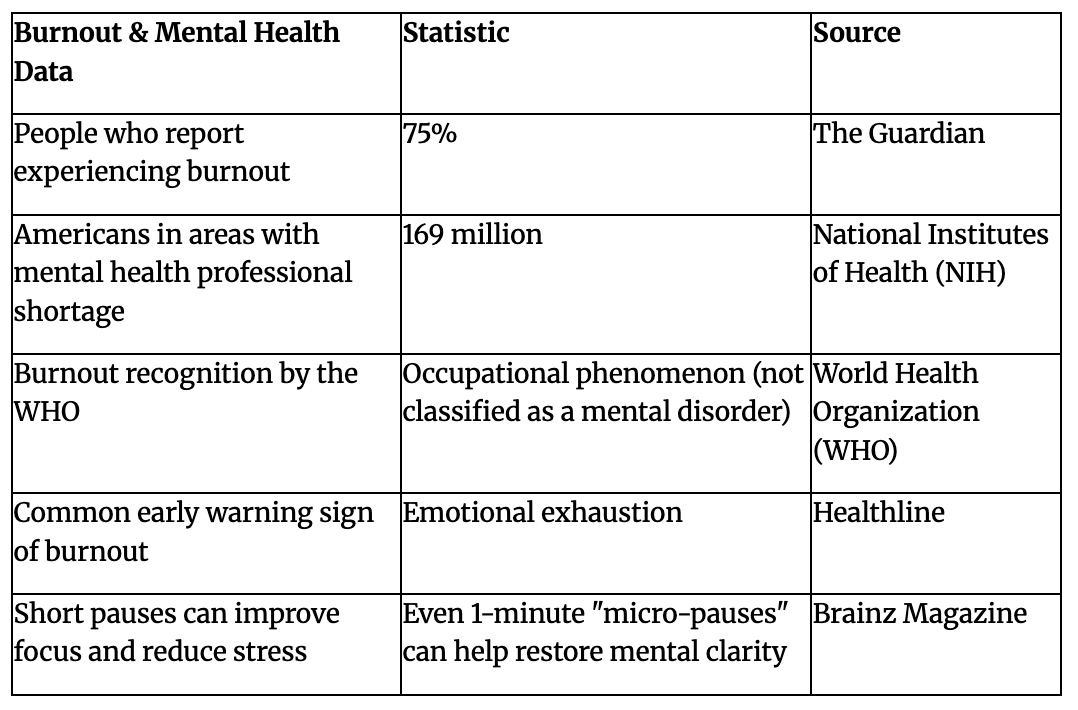
Emotional burnout affects most people at some point, but it often goes unrecognized. The Guardian published an article about 75% of people struggling with burnout. However, it is still not recognized as a mental health condition or illness by the WHO. Claudia Hammond, the author of Overwhelmed: Ways to Take the Pressure Off, states that not everyone with burnout feels as hopeless as people feel when going through depression.
Emotional burnout doesn’t happen overnight. It builds quietly through prolonged stress, unprocessed emotions, and constant demands that outweigh your capacity to cope. Over time, it can leave you feeling drained, detached, and exhausted. The good news is that burnout can be resolved before it is too late.
However, healing requires more than quick fixes. You need to make an intentional effort to recover and rebuild your emotional energy. This article offers practical, actionable strategies to regain balance and get a fresh start.
Know Your Triggers
Understanding what causes your burnout is the first step toward healing. According to Healthline, emotional exhaustion is often the first sign of burnout. You may feel emotionally worn out and drained when stress from your personal or work life, or both, accumulates. Most people report feeling trapped or stuck in this situation.
Besides personal issues and workplace pressure, burnout may stem from caregiving responsibilities or unresolved conflicts. Take time to identify patterns in your day that leave you feeling depleted. Journaling can help you track emotional highs and lows, while reflection can reveal hidden triggers like perfectionism or people-pleasing tendencies.
Once you identify these patterns, it becomes easy to manage or address them. Awareness gives you control and enables you to make conscious choices instead of reacting automatically to stressors that gradually wear you down.
Set Emotional Boundaries
Setting clear emotional boundaries can help with healing from burnout. This means learning to say no without guilt and protecting your time and energy from unnecessary demands. At the same time, boundaries are not about shutting people out. Instead, they are about creating space for your well-being.
According to the Good Life Project, being vocal about your boundaries is perhaps the hardest part of the process. However, it is also important because it keeps others from crossing the boundaries. Moreover, saying them aloud prevents resentment. Communicate your limits clearly and respectfully.
Start small by limiting exposure to draining conversations or setting realistic expectations at work and home. Over time, strong boundaries help you conserve emotional energy and build healthier relationships. They also reinforce self-respect, which is essential for long-term emotional resilience and recovery.
Seek Professional Help Early
Emotional burnout can feel overwhelming, and sometimes self-help strategies are not enough to deal with it. Seeking professional support can get you on the road to recovery. Therapists, counselors, or coaches can help you process emotions, identify unhealthy patterns, and develop coping strategies tailored to your situation.
However, the shortage of mental healthcare providers is a concern. According to an NIH study, 169 million Americans live in areas with a mental health professional shortage. While steps are being taken to address the shortage, there is still a long way to go. Many professionals are pursuing online master’s degree programs in counseling psychology to cover the gap.
Felician University explains that these programs, despite being conducted online, equip learners with theoretical knowledge and practical skills required for becoming licensed counselors. Seeking help early means you can prevent burnout from escalating into anxiety, depression, or physical health issues.
Allow a True Pause
Many people attempt to push through burnout, believing that rest can wait. However, this is the worst mistake you can make because recovery requires a genuine pause. You may worry about not having enough time or money for a break, but it doesn’t necessarily mean taking long vacations. Something as simple as carving out intentional time each day to disconnect and recharge helps.
You can also take steps like reducing multitasking and engaging in activities that calm your mind, such as walking, reading, or mindfulness practices. Try stepping away from constant notifications that keep your mind racing at all times. Intentional effort can make this possible, no matter how hard it seems.
Brainz Magazine explains the power of pause through micro-moments. Every time you stop for a minute, you create neurological space for clarity and calm. These pauses reduce stress and pressure, recalibrate the brain, and restore focus. Giving yourself permission to slow down is not indulgent. Rather, it is essential for sustainable productivity and well-being.
Reevaluate and Adjust
Healing from emotional burnout is not a once-and-done process. It requires reassessing the systems and expectations that led to burnout in the first place. You need to do it often. Ask yourself whether your current workload, commitments, or goals align with your values and capacity.
Sometimes burnout is an indication that something in your life needs to change. This might involve delegating tasks, redefining success, or shifting priorities. Small adjustments can bring relief over time and prevent stress from accumulating again.
Regular check-ins with yourself also help ensure you don’t slip back into old patterns. Recovery is not just about feeling better. It is about building a lifestyle that supports your emotional health and prevents future burnout from taking hold.
FAQs
How can burnout affect your physical health?
Burnout doesn’t just impact emotions, but it affects the body as well. Common symptoms include chronic fatigue, headaches, weakened immunity, and sleep disturbances. Over time, prolonged stress can increase the risk of serious conditions like heart disease and digestive issues. Addressing burnout early helps protect both your mental and physical well-being.
Is self-care enough to deal with emotional burnout?
Self-care is important, but it is often not enough on its own. While activities like rest and relaxation help, burnout usually requires bigger changes such as setting boundaries, reducing workload, and addressing emotional stressors. Sustainable recovery comes from combining self-care with structural and behavioral changes in your daily life.
What are the signs of burnout recovery?
Recovery from burnout is gradual. Signs include improved energy levels, better sleep, increased motivation, and a renewed sense of purpose. You may also notice greater emotional stability and clearer thinking. Feeling engaged again in daily activities is a strong indicator that your mental and emotional health are improving.
Key Takeaways
Healing from emotional burnout is not a quick fix but a gradual, intentional process that requires patience and self-awareness. With the right approach, you can create a foundation for lasting recovery. The goal is not just to feel better temporarily, but to build a more balanced and sustainable way of living. With consistent effort, it is possible to move beyond burnout and reconnect with a sense of energy, purpose, and fulfillment.