
How to Support a Loved One Struggling With Trauma-Induced Anxiety
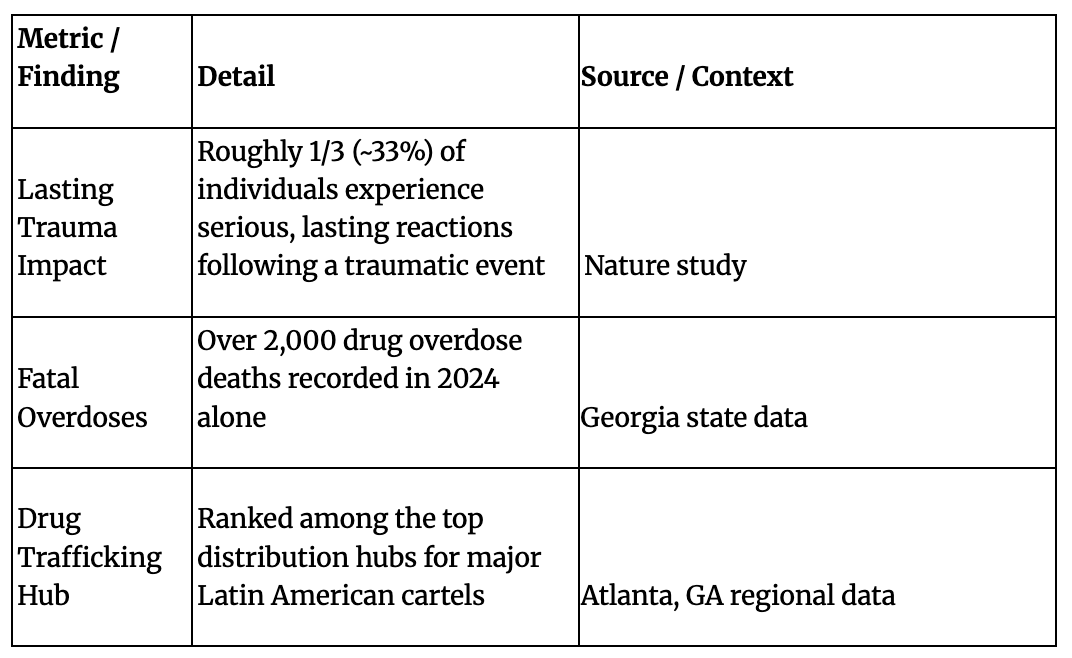
When a person goes through something traumatic, it changes them. Trauma affects everyone differently. Roughly a third of people experience serious, lasting reactions, as reported by a study published in Nature.
You might see them jump at loud noises or pull away from friends. They might get sudden waves of panic that make no sense to you. That is what trauma-induced anxiety looks like.
Watching a close friend or family member battle this kind of pain is tough. You want to fix things, but you might worry about saying the wrong word. Supporting them does not mean you have to be an expert. You just need patience, steady care, and simple tools that help them feel safe again.
As U.S. Surgeon General Dr. Vivek Murthy shared in a feature with The Guardian, true healing centers on genuine human connection: "Our goal should be to support mental health and wellbeing... it does mean being able to deal with adversity when it arises, in a healthy way."
In this article, we will walk you through what trauma does to the mind and body. We will also share tips to help you support your loved one struggling with trauma-induced anxiety.

Understanding What Trauma Does to the Mind and Body
Trauma physically resets how the brain and nervous system respond to stress. When someone experiences a terrifying event, their brain's alarm system, or the amygdala, gets stuck on high alert. The body floods with adrenaline and cortisol.
Even when the danger passes, the body acts like it is still happening. A sudden loud noise or a specific smell can instantly trigger a full panic reaction. When anxiety from trauma feels too heavy to bear, people often look for ways to numb the pain. Some turn to alcohol, prescription pills, or street drugs just to get through the day.
This creates a painful cycle. The substances may temporarily hide the fear, but they quickly make the underlying anxiety much worse.
This struggle is visible in communities across the country. Georgia, for instance, recorded over 2,000 drug overdose deaths in 2024 alone. Atlanta, Georgia, is ranked as one of the top drug distribution points for major Latin American cartels.
When self-medication turns life-threatening, and a person refuses help, families should not stand by helplessly. Mandating treatment for a loved one in Atlanta under Georgia’s involuntary commitment laws is an option for them.
According to Ingrained Recovery, a well-known detox and residential treatment program in Georgia, family members can petition a court to order involuntary addiction treatment for a loved one who poses a danger to themselves or others.
Tips to Support a Loved One Struggling With Trauma-Induced Anxiety
Helping someone heal does not take grand gestures. Small, steady actions make the biggest difference. Here are three practical ways you can show up for them.
Become a Safe Anchor Through Active Listening
Logic does not help when anxiety takes over. Your loved one does not need you to fix everything. They need to feel seen and safe.
You can become a steady anchor by practicing active listening. Active listening does not mean giving advice or trying to fix the issue right away. It means giving your loved one your full attention so they know their feelings matter.
Give your loved one your full attention when they want to talk. Make gentle eye contact without staring too intensely. Your body language shows them that they are your top priority.
Never tell your loved one with trauma-induced anxiety to "just move on" or "look on the bright side." Telling them that their feelings are wrong only makes them feel more isolated. Validate what they feel.
Just listening without jumping in to solve things lets them know their feelings are safe with you.
Teach Gentle Grounding and Self-Regulation Techniques
During a panic attack, a person loses touch with the present moment. Grounding techniques pull their focus away from scary thoughts and bring them back into their physical surroundings.
Teach your loved one these simple exercises together when they start to feel overwhelmed:
The 5-4-3-2-1 Sensory Method
Ask them to name:
5 things they can see around the room
4 things they can physically touch
3 things they can hear right now
2 things they can smell
1 thing they can taste
Box Breathing
Instruct them to breathe in for 4 seconds, hold for 4 seconds, breathe out for 4 seconds, and hold for 4 seconds. This should be repeated four times.
Cold Water Reset
Have them splash cool water on their face or hold an ice cube. The temperature drop triggers a physical reflex that slows a racing pulse.
Never force these tools on someone during a severe flashback. Instead, practice these methods when they feel calm, so they feel natural when stress spikes.
Encourage Professional Care
You can offer deep love, but you cannot replace a licensed therapist. Professional care gives people tools to process traumatic memories safely. However, bringing up therapy can sometimes feel intimidating or threatening to someone who already feels vulnerable. The way you suggest professional care matters a lot.
Never bring up therapy in the middle of an argument or during a severe panic attack. Wait for a quiet, relaxed moment when you both feel calm and comfortable. Choose a private setting where you will not be interrupted.
Avoid accusatory language that makes the person feel broken, such as bluntly telling them they need help. Instead, express your concern through love and support. Let them know they are not alone, you care about their well-being, and seeing a trauma specialist together could offer helpful support.
FAQs on Anxiety as A Result of Trauma
Can trauma-induced anxiety appear years after an event?
Yes. Delayed reactions can surface years later when current stress triggers old, unprocessed memories.
Can trauma-induced anxiety go away on its own?
Rarely. Without healthy tools or therapy, trauma responses often stay stuck in the nervous system.
How is trauma anxiety different from regular anxiety?
Regular anxiety focuses on future worries. Trauma anxiety reacts to past events as if danger is happening right now.
Insightful Statistics to Consider
Take Care of Yourself Along the Way
Supporting someone with trauma takes emotional energy. You cannot pour from an empty cup. Set clear, healthy boundaries for your own well-being. Make time for your favorite hobbies, exercise, good sleep, and your own support network.
When you keep yourself healthy and calm, you can continue being a steady source of strength for the people you love most.